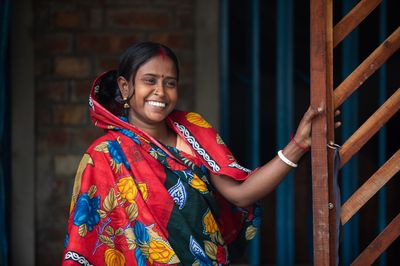
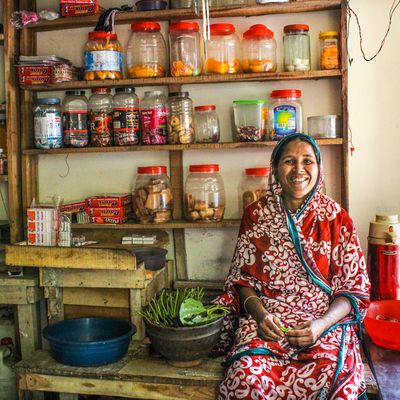
BRAC’s Ultra-Poor Graduation program supports families to lift themselves out of extreme poverty by providing skills training, productive assets, peer support, and mentorship. Each woman who joins BRAC's Ultra-Poor Graduation program in Bangladesh receives this information and tracking booklet.
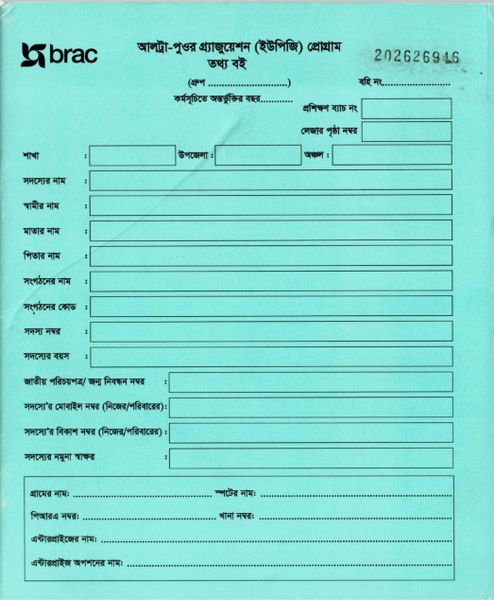
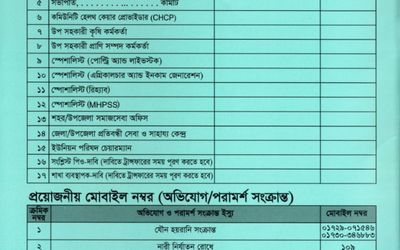
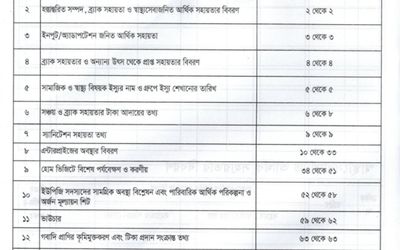
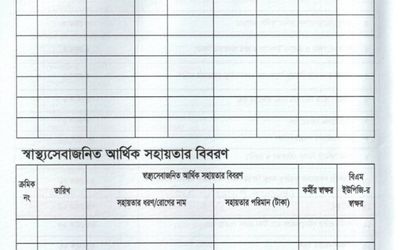
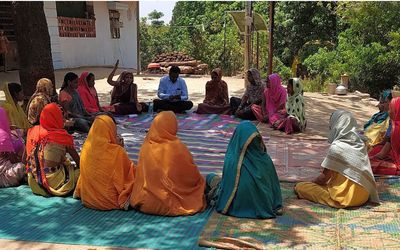
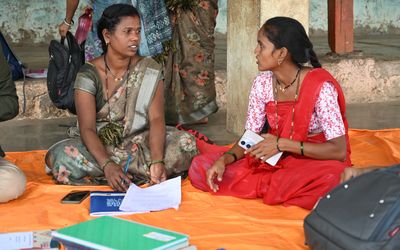
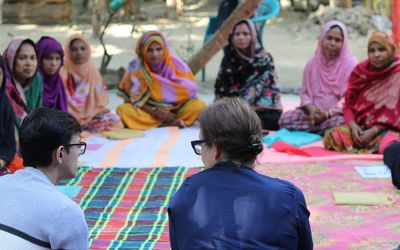
Over two years, it records their journey: the assets received, such as a cow or goats, the savings and repayments, the income their business earns, and notes from regular home visits by their BRAC coach.
Inside its pages: Lifting a family out of poverty takes more than a new source of income, so the booklet also guides families through sessions on 17 topics that help protect the progress they make, from children’s education and nutrition to preventing child marriage and preparing for disasters.
Each family signs a pledge to care for their assets and work toward self-reliance. The last pages set out the goals they are working toward. To graduate, the household must:
- Own three types of productive assets, with control over the income they bring
- Eat good-quality food regularly
- Send school-age children to school
- Use a hygienic latrine
- Drink safe water
BRAC created the Graduation approach in 2002 to reach people living in the deepest poverty. It combines support for basic needs and health, financial skills training, a productive asset, and regular coaching.
More than 2 million households in Bangladesh have graduated so far, and over 95% keep improving financially five years after the program ends.
This approach has since been adapted in more than 50 countries by governments and partners. It is among the most rigorously studied approaches to ending poverty, with over 30 studies showing lasting impact. One landmark study, co-authored by Nobel Prize-winning economists Abhiji Banerjee and Esther Duflo, tested the approach in six countries across three continents and found gains in income, assets, and food security that held after the program ended. (source)
What does it take to start over? The refugee crisis in the words of a South Sudanese mother
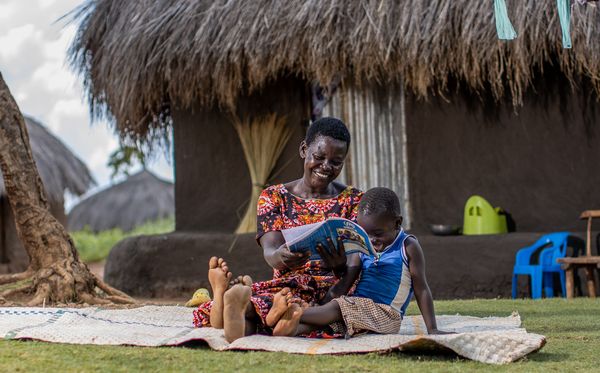
In 2017, Yabu Annet fled conflict in South Sudan and arrived at Uganda's Imvepi refugee settlement with her children. Through a BRAC program that supports parents and children together, she built a livelihood from four goats and five ducks, and she now helps others in her community do the same.
"One of my greatest joys is watching my youngest son, five-year-old Emmanuel, thrive. He is in the top of his class at the Royal Humanitarian Play Lab"
This holiday season, make a donation to enable families to lift themselves out of poverty.