
Chapter 1: How little school is enough? What does a child actually need to learn?
What if you had to build a school with very little money, few resources, and children who had been left out of the formal education system?
BRAC has spent decades experimenting with that question. In our first BRACademics conversation, we'll look at what those experiments revealed about what children actually need to learn, what education can cost, and what we may be getting wrong about school.
Join us on October 20 to learn about BRAC's education model.
BRACademics is a free, three-part virtual series for curious people who want to explore the questions, evidence, and ideas behind BRAC's work. You don't need to commit to the whole series. Join one conversation that catches your interest, or come to all three. No prior knowledge required.
The third Tuesday of each month we'll be hosting a new kind of donor learning experience from BRAC USA.
Fall Series:
- Tuesday, October 20th
- Tuesday, November 17th
- Tuesday, December 15th
5PM PT • 8 PM ET • (Virtual)
Register once and we'll save you a spot for all three. Join what you can!
How the evenings work
Hosted by Stephen Smith, BRAC USA Board Member and Professor of Economics and International Affairs at George Washington University, each evening follows the same three-part journey:
START WITH A QUESTION
We'll begin with a puzzle drawn from BRAC's work and ask you to make a prediction.
FOLLOW THE EVIDENCE
A researcher and BRAC practitioner will take us through what we've learned, what surprised us, and what it means in practice.
LOOK AT THE WORK DIFFERENTLY
Each evening ends with art, stories, or perspectives from the people at the center of the work.
Who is this series for?
Has the autumn chill and turning leaves brought on a little envy as students head back to school? Do you wish you could join them in learning something new this fall?
BRACademics is for the perpetual learners: the people who are always curious, always asking one more question, and always armed with an interesting tidbit at the dinner party.
If you want to explore a new idea, deepen your understanding of the issues you support, or simply spend an hour following a question somewhere unexpected, this is for you.
No prior knowledge of BRAC or development economics is required. Just bring your curiosity.
Fall Series: A Life in Three Chapters
This first BRACademics series follows a life from childhood to adolescence to adulthood, exploring the hidden barriers that can shape a person's path, and the capabilities that can help transform it. Register for all three chapters and join what you can!
Chapter I: Childhood - October 20th: 5pm PT/8pm ET
How Little School Is Enough?
What does a child actually need...to learn?
What if you had to build a school with limited resources? What would you keep, what could you cut, and what does a child actually need to learn?
In the 1980s when BRAC set out to reach children the formal education system was leaving behind, it built a radically simple model. The result? BRAC could educate a child for about $20 a year, versus $30 in government primary schools, while achieving equal or better learning outcomes.
We’ll follow the evidence behind the model to uncover what makes a school work, from the teacher and curriculum to some surprising, invisible ingredients that can’t be stripped away.
Chapter II: Adolescence - November 17th: 5pm PT/8pm ET
Beyond the Bride
The unasked question about ending child marriage
Bangladesh has one of the highest rates of child marriage in the world. We have spent decades studying the girls who are married young and the families who make that decision.
But every child marriage has another person in it: the man on the other side.
What happens when researchers turn the lens toward the part of the story we have rarely studied? We’ll explore what the evidence tells us about poverty, social norms, education, and the overlooked role of boys and men.
Chapter III: Adulthood - December 15th: 5pm PT/8pm ET
Can Hope Become Action?
The hidden capabilities behind lasting pathways out of poverty
We know that assets, skills, savings, and support can help families move out of extreme poverty. But what allows those tools to take hold?
This conversation follows the evidence behind BRAC’s Graduation approach and explores the less visible capabilities that can turn opportunity into action: aspiration, agency, self-efficacy, and the power to imagine a different future.
Your BRACademics "Faculty"
-
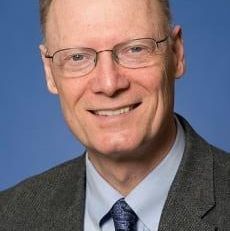
Professor Stephen C. Smith, Series Moderator
Professor of Economics and International Affairs George Washington University
-
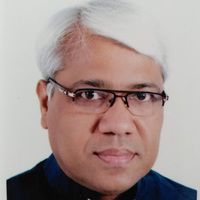
Samir Ranjan Nath
Programme Head at BRAC Institute of Educational Development, BRAC University
-
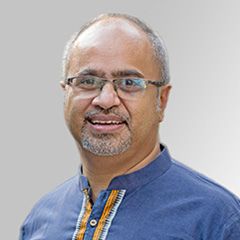
Safi Rahman Khan
Director Education, Skills Development, and Migration, BRAC Bangladesh
-
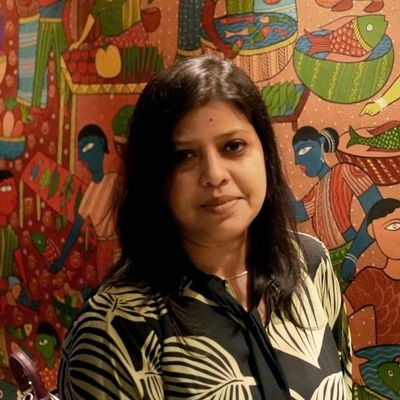
Shashwatee Biplob
Associate Director, Gender Justice and Diversity BRAC Bangladesh
-
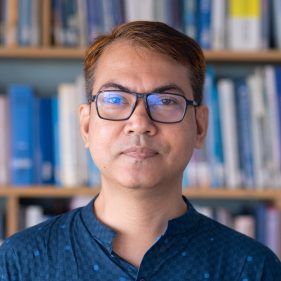
Proloy Barua, PhD
Associate Professor and Research Fellow, BRAC University
-
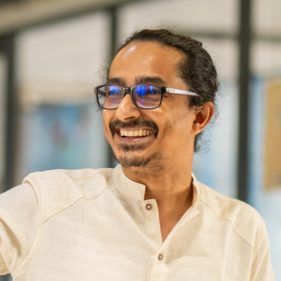
Professor Munshi Sulaiman
Director of Research & Professor BRAC Institute of Governance and Development BRAC University
-
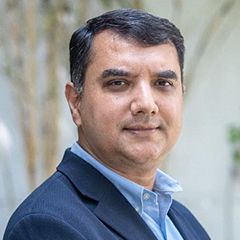
Hossain Ishrath Adib
Senior Director, Poverty Alleviation, WASH, and Social Innovation Lab, BRAC Bangladesh