At first, Rahim (pseudonym) didn't give the fever much thought.
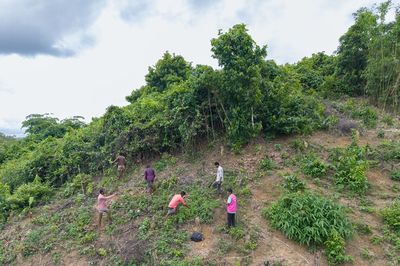
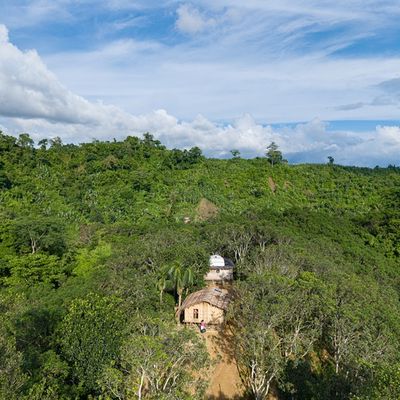
He was working in the forested hills near Bandarban, like many young men from Cox’s Bazar camps, and couldn’t afford to stop. Days went by, and Rahim developed a fever that slowly turned into severe chills, yet he continued working. Rahim only returned when his body gave out, by then, it was severe malaria.
Rahim’s story is not unique. It reflects a growing challenge of Bangladesh’s malaria elimination efforts, one that cannot be addressed without focusing on Rohingya refugees.
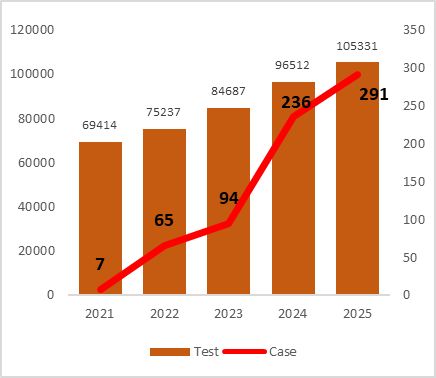
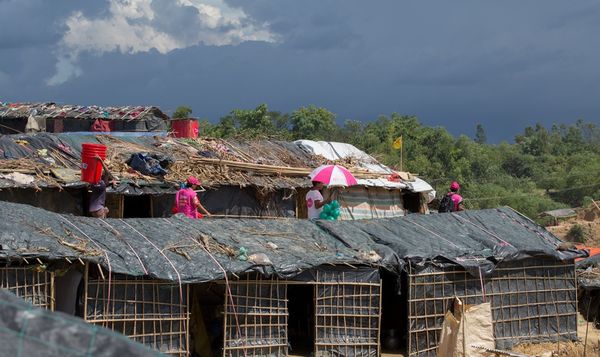
Over a million Rohingya now live in Cox’s Bazar, one of the world’s most densely populated humanitarian settings. Overcrowding, limited resources, and constant movement to high malaria endemic areas create ideal conditions for malaria transmission.
But the challenge extends beyond the camps.
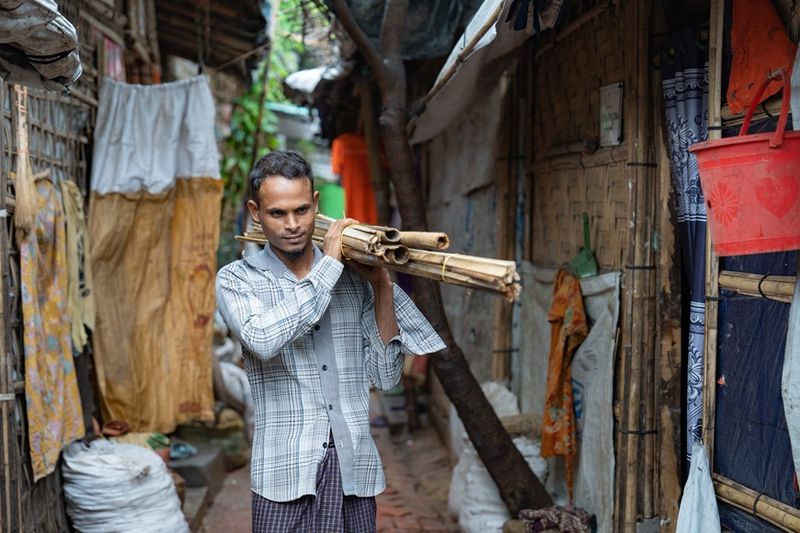
Many Rohingya, like Rahim, travel to nearby forests for work in high-risk malaria zones. They often return with delayed symptoms and untreated infections, bringing the disease back.
Cross-border movement from Myanmar further complicates the situation.
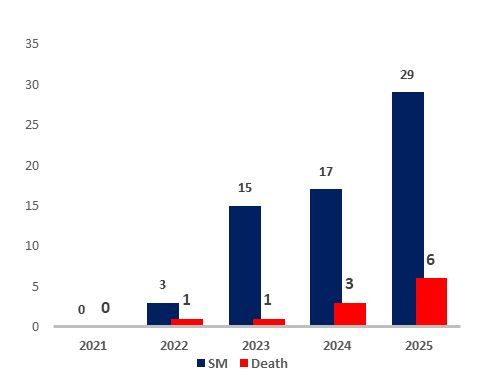
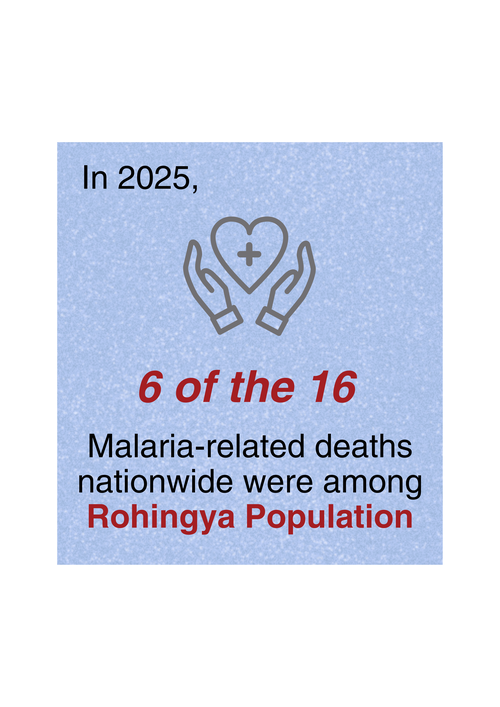
Rohingya communities are therefore not just vulnerable but central to malaria elimination in Bangladesh, where cases and deaths are rising in the camps despite national progress.
Unauthorized travel by camp residents to nearby malaria-endemic areas increases infection risk and drives transmission when they return. Ongoing arrivals from Myanmar further complicate this by bringing in additional, often undetected, cases.
Overcrowded living conditions and poor shelter environments facilitate rapid spread of the disease. At the same time, the absence of targeted malaria vector control interventions makes it more difficult to effectively prevent and control transmission within the camps.
The consequences can be severe and often fatal.
Data show most deaths occur in young working men, who face higher exposure and often delay care. It is especially concerning that many fatalities are among those who travel outside the camps for work.
Most severe cases and deaths occur between May and July, the peak malaria season driven by rainfall and rising temperatures. During this time, cross-border movement with Myanmar also increases, partly due to informal cattle trade, further raising infection risk.
Reason for hope.
But more must be done.
Since 2017, BRAC health workers have played a key role in strengthening malaria prevention and control across the camps through a coordinated approach.
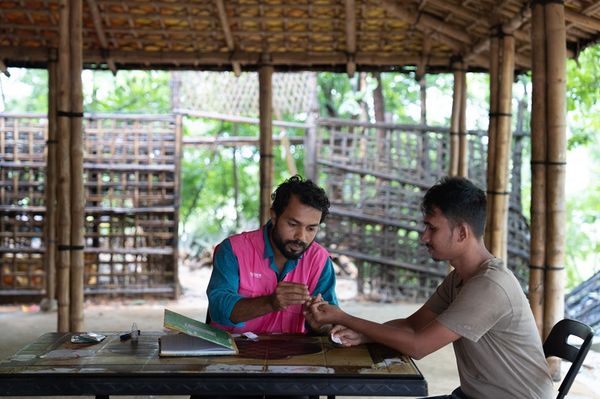
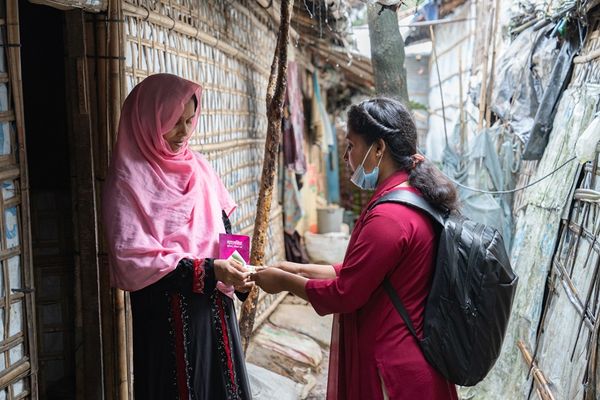
Surveillance has been reinforced for early case detection, while community-level testing has expanded access to diagnosis. Insecticide-treated nets are widely distributed to reduce mosquito exposure, especially among high-risk groups.
Community engagement remains central, with Majhis and volunteers raising awareness, promoting early care-seeking, and addressing misconceptions. At the same time, new initiatives are improving coordination, data sharing, and continuity of essential malaria services, even during peak seasons.
Rahim recovered. After receiving proper treatment, he went back to his shelter, this time protected by a mosquito net and carrying a story of survival.
His experience reminds us that malaria is more than just a mosquito-borne illness; it is influenced by access to care, community awareness and human movement.
For Bangladesh to achieve malaria elimination, it must ensure that individuals like Rahim are never overlooked.
Prepared by BRAC Health Programme
Malaria Elimination Project
Feedback and Contacts
bhp.communication@brac.net aishwarya.reza@brac.net
BHP Hotline: +088 09643-230-230