Below is an excerpt of an article originally published in the Associated Press. Read the full article here, and learn about BRAC's critical work in Bangladesh to strengthen safe migration.
LAKSHMIPUR, Bangladesh (AP) – A labor recruiter persuaded Maksudur Rahman to leave the tropical warmth of his hometown in Bangladesh and travel thousands of miles to frigid Russia for a job as a janitor.
Within weeks, he found himself on the front lines of Russia’s war in Ukraine.
An Associated Press investigation found that Bangladeshi workers were lured to Russia under the false promise of civilian work, only to be thrust into the chaos of combat in Ukraine. Many were threatened with violence, imprisonment or death.
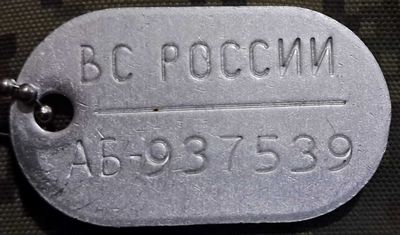
AP spoke with three Bangladeshi men who escaped from the Russian military, including Rahman, who said that after arriving in Moscow, he and a group of fellow Bangladeshi workers were told to sign Russian documents that turned out to be military contracts. They were taken to an army camp for training in drone warfare techniques, medical evacuation procedures and basic combat skills using heavy weapons.
Rahman protested, complaining that this was not the work he agreed to do. A Russian commander offered a stark reply through a translation app: “Your agent sent you here. We bought you.”
...
In late 2024, families approached BRAC, an organization that advocates for Bangladeshi workers, and said they could no longer reach their relatives in Russia. That prompted the organization to investigate. It uncovered at least 10 Bangladeshi men who are still missing after they were lured to fight.
“There are two or three layers of people who are profiting,” said Shariful Islam, the head of BRAC’s migration program.
Read the full article in the Associated Press.