Thursday, September 24, 2026
4- 7 p.m.
Home Studios, 873 Broadway, #401, New York, NY
RSVP today!
Space is limited, so please RSVP at your earliest convenience.
About the event
The biggest barrier to solving global challenges is not a lack of ideas. It is how we fund and scale proven solutions that help families lift themselves out of extreme poverty. Join us for a candid conversation among funders, researchers, and implementers exploring collective, accountable investments and what it takes to bring these models to the communities that need them most.
As the world grapples with unprecedented challenges, this event will spotlight innovative, evidence-based approaches to doing development differently. BRAC is convening leaders from across the sector to explore how we can address evolving global challenges—including poverty alleviation, economic inclusion, and climate resilience—by scaling proven solutions through effective philanthropy. Together, we will examine strategies that move beyond exchanging ideas to building the partnerships and investments needed to achieve bold, lasting change.
Fireside chat speakers
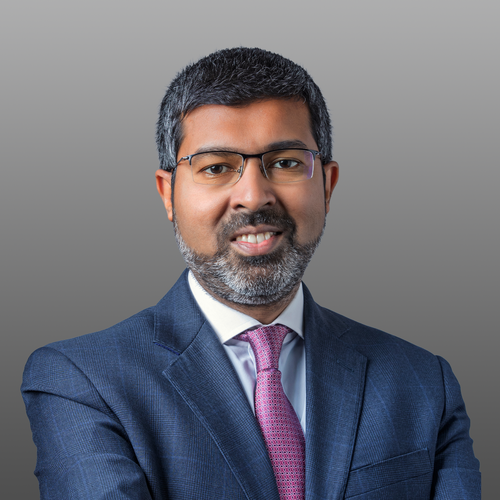
Shameran Abed, Executive Director, BRAC International
Shameran oversees all of BRAC’s programmatic work outside Bangladesh. Since joining BRAC in 2009, he has played an instrumental role in scaling BRAC's flagship microfinance and ultra-poor graduation programs globally. In 2021, Shameran assumed the role of Executive Director of BRAC International, leading BRAC’s rapidly scaling programmes across 13 countries in Asia and Africa. Shameran also chairs the board of bKash, one of the world's largest mobile money providers.
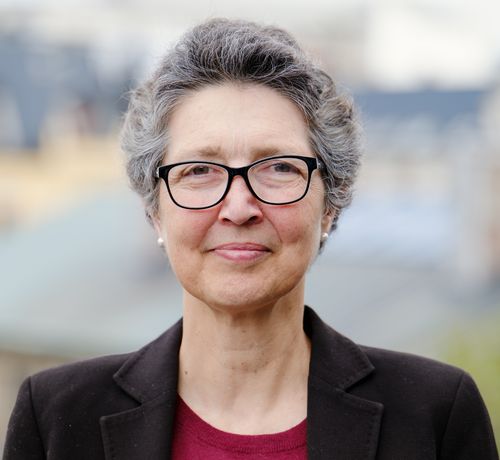
Rachel Glennerster, President, Center for Global Development
Rachel Glennerster is President of the Center for Global Development and a trustee of CGD Europe. She previously served as Chief Economist at the UK's Foreign, Commonwealth & Development Office and, from 2004 to 2017, as Executive Director of the Abdul Latif Jameel Poverty Action Lab (J-PAL) at MIT, where she helped pioneer the use of randomized trials in development economics.
Dr. Glennerster has used randomized trials to tackle issues across democracy, health, education, and women's economic advancement, and has worked to shape markets to spur innovation on challenges like pandemics and climate change. She helped establish Deworm the World, which has delivered 1 billion deworming treatments to children worldwide, and played a key role in launching the $1.2 billion Advance Market Commitment for a pneumococcal vaccine. In 2021, she was appointed CMG for services to international development, and she currently chairs Teaching at the Right Level Africa (TaRL Africa).
Panelists
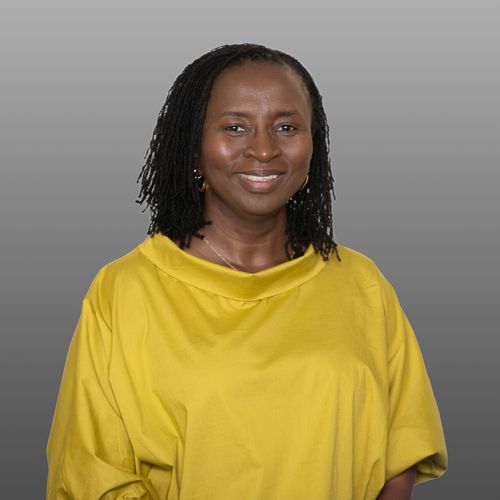
Anne Mutta, Regional Director, Africa, BRAC International (Moderator)
Anne Mutta is Regional Director for Africa at BRAC International, based in Nairobi, Kenya. Anne is also a member of BRAC International’s microfinance boards in Liberia and Sierra Leone, as well as its social enterprise boards in Tanzania and Uganda.
In her role as Regional Director, Anne oversees strategy and operations across seven countries in Africa. Her leadership is grounded in data-driven decision-making, collaborative learning, and a shared commitment to BRAC’s mission of eradicating poverty and inequality. Anne has over two decades of experience in the development sector and has led multi-country programmes in Africa and Asia. Her portfolio covers programming across social empowerment, economic inclusion, education, WASH, and humanitarian response. She has also designed and implemented inclusive development solutions to elevate women in diverse sectors.
Anne holds a Master’s degree in international development and is a certified project management professional.

Abe Grindle, Program Director, Co-Impact
Abe is a Director, Programs at Co-Impact. His career has focused on the question of how to create enduring improvements at scale that result in better lives and equity for many millions of people. At Co-Impact, which he helped launch, he built and manages a $100 million portfolio of grants working towards this goal, and Abe also leads Co-Impact's capacity building and strategy development supports for its grantees. Previously, Abe worked at the Bridgespan Group, where he supported dozens of social change leaders and funders in the US and around the world. There, among other things, he co-authored "Audacious Philanthropy" in Harvard Business Review, a study of 15 successful "change at scale" efforts around the world, and the lessons and patterns from them.
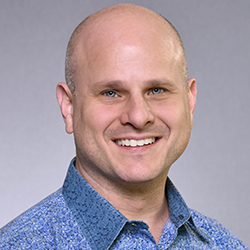
Dean Karlan, Innovations for Poverty Action
Dean Karlan is the Frederic Esser Nemmers Distinguished Professor of Economics and Finance at Northwestern University's Kellogg School of Management. In low- and medium-income countries, his research focuses on microeconomic issues of poverty, including household finance (risk, credit, and savings), social protection (e.g., cash transfers and the Graduation approach), entrepreneurship, agriculture, health, education, mental health, and religion. Much of his research incorporates insights from behavioral economics, and also places a heavy emphasis on multi-site studies.
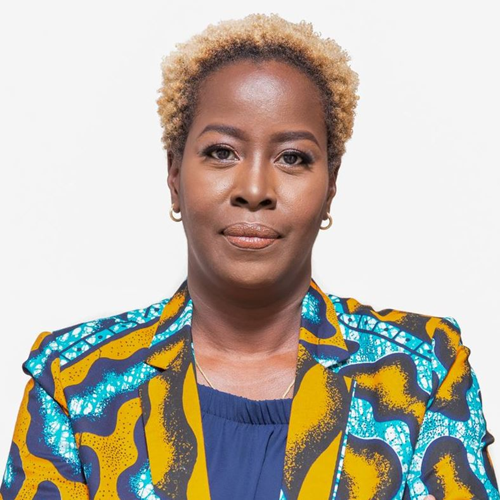
Rosemary Nduhiu, Executive Director, Country Programs, Mastercard Foundation
Rosemary Nduhiu is the Executive Director, Country Programs at the Mastercard Foundation, where she leads the foundation's country implementation portfolio, advancing opportunities for young people to access dignified and fulfilling work while contributing to inclusive and sustainable economic growth.
With more than 20 years of leadership experience across philanthropy, telecommunications, media, and consumer goods, Rosemary has led transformational initiatives, strategic investments, and institution-strengthening efforts that have expanded opportunity and driven impact at scale. Her work is rooted in country-led development and co-creation, bringing together diverse stakeholders to foster resilient systems that enable young people, particularly young women, to realize their aspirations.
In her current role, Rosemary oversees the implementation of country strategies that support economic inclusion, strengthen local institutions, and create pathways for young people to participate meaningfully in their communities and economies. She is a passionate advocate for African-led solutions that unlock potential, accelerate systems transformation, and contribute to lasting social and economic progress.