On the evening of November 25, 2025, a devastating fire tore through Korail, one of Dhaka’s largest informal settlements. Tin and wooden houses, exposed electrical lines, and gas cylinders fueled the inferno, which raced through Korail’s densely packed lanes. Nineteen units from the Fire Service and Civil Defense battled the blaze for nearly 16 hours before declaring it under control the next morning.
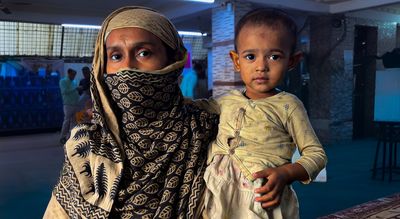
Thousands of homes turned to ashes, leaving residents without even their basic documents.
"We had saved money... which was really difficult for us to manage," explains Rehana, a domestic worker whose husband works as a security guard. "Still, we saved and bought our appliances. But the fire claimed all those appliances and left nothing but our lives. We had to live under the sky.”
What followed was an urgent, compassionate response, and a growing effort to rebuild lives from the ground up.
The fire and its aftermath
BRAC’s rapid assessment found that at least 2,772 houses were destroyed or severely damaged. More than 7,000 people were displaced, many of them low-income workers—rickshaw pullers, garment workers, domestic helpers, and small vendors. With winter approaching, they faced cold nights without shelter or essentials.
Phase 1: BRAC’s emergency response
BRAC’s first response focused on lifesaving support. After mapping what other organizations were already doing, teams identified a major gap: Families lacked basic household items to meet immediate needs.
BRAC ensured each impacted family received essential non-food items, including cooking utensils, water containers, mugs, plates, and buckets—simple items to begin to restore daily activities. The organization then released $41,000 in cash support, giving families the flexibility they needed to cover their most urgent needs, including food and medicines.
In partnership with Urmi Garments, BRAC also distributed winter clothes to help families stay warm through the cold nights.
“Our children were shivering in the cold... sitting on a plastic banner," recalls Shahi Noor, a mother of two whose husband rescued the children from the fire, then pitched in to help firefighters. "When BRAC gave cash and winter clothes for the children, it was our first moment of relief. But we still have no place to stay.”
Phase 2: from recovery to rehabilitation
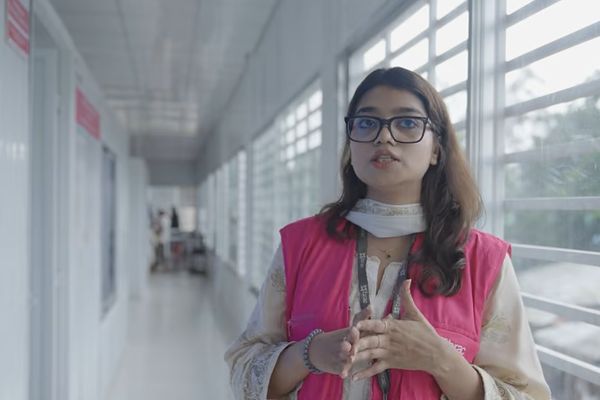
“I’ve never seen such a massive fire in decades," says Khondoker Golam Tawhid, BRAC’s Head of Disaster Risk Management. "As the emergency response ends, our focus now is on rehabilitation. This is very important for them to regain what has already cost them so much."
Safety is a concern, too. While Nasima, a homeowner, lost all of her belongings, including ancestral jewelry. Now, she is weighed down with concern about her family's safety.
"I must rebuild my house... This is going to be a burden," she says. "My daughters and I feel insecure living in the open space. I need to rebuild a place where my family can live safely.”
Even small acts of support can help families move from despair to stability. One tool, one skill, one new beginning at a time.”
Khondoker Golam Tawhid
Head of Disaster Risk Management, BRAC
The needs are immense, yet even small support can help families regain stability and dignity. BRAC is mobilizing resources to help survivors rebuild secure homes and restart livelihoods, especially for women and children who remain most vulnerable. Potential rehabilitation assistance includes:
- Small entrepreneurship support (grocery shops, tailoring)
- Sewing machines for people to generate income at home
- Auto-rickshaws for transport work
- Roadside vending opportunities
Actual support will depend on funding availability and each family’s specific needs.
Looking ahead
BRAC continues to stand beside the people of Korail. Each act of support—a cooking pot, a sewing machine, or a loan to restart work—represents hope that families can once again find stability and rebuild safe, dignified lives.
“Even small acts of support can help families move from despair to stability,” Tawhid notes. “One tool, one skill, one new beginning at a time.”