The following excerpt is from a piece that originally appeared in Devex. Read the full piece.
Fuel and fertilizer costs have skyrocketed since the United States and Israel launched their offensive on Iran in February, and Iran retaliated by restricting shipments through the Strait of Hormuz — a vital passage for 30% of the global fertilizer trade, among other agricultural inputs.
Thousands of miles away, Asian farmers... are feeling the bite.
...
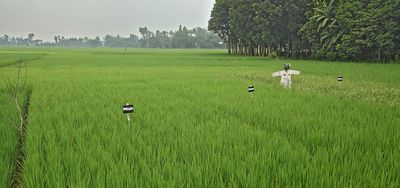
And in Bangladesh, boro rice farmers are struggling to grow the crop, said Liakath Ali, director of climate change at BRAC, a global NGO based in the country.
...
Meanwhile, NGOs are using the current crisis to double down on resilience-building efforts for this and the other crises to come. BRAC is trying to rapidly scale up the use of its mobile, solar-powered irrigation pumps and deploy crops that require less irrigation, such as mungbean, maize, groundnut, and sesame.
“Crop diversification may be a solution in the future if the situation remains like this,” said Ali of BRAC.