Nearly two weeks of relentless monsoon rains have impacted more than 1.07 million people across ten districts of southeastern Bangladesh. As of July 14, the death toll has climbed to 51, and more than 38,422 people remain in evacuation centers, even as water levels begin to recede.
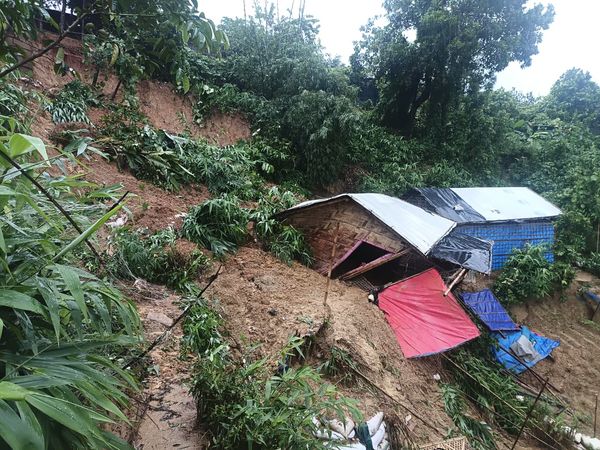
Where things stand
Chattogram, Cox’s Bazar, Bandarban, Khagrachhari, and Rangamati remain the most-affected areas, with flooding also reported in Feni, Cumilla, Sylhet, Moulvibazar, and Sunamgaji.
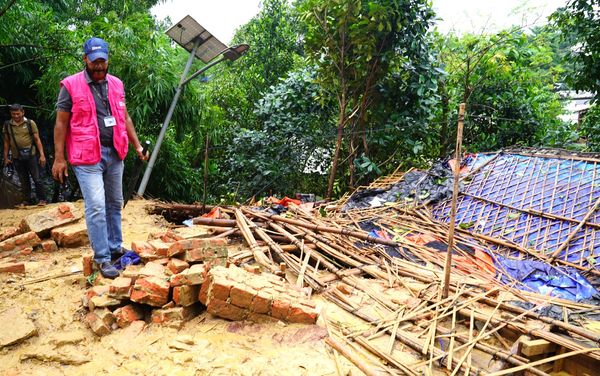
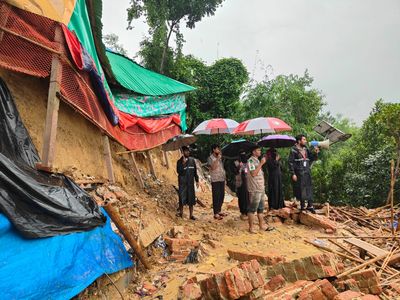
According to a government report, a total of 29,741 houses have been damaged in Bandarban and Chattogram alone, while 12,360 latrines and 3,583 water points have been partially or fully destroyed, cutting off access to clean water and sanitation for tens of thousands of families.
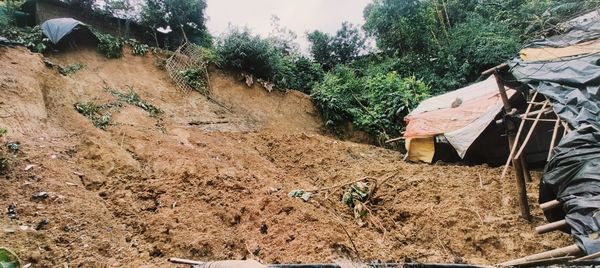
Conditions are improving in Chattogram, Bandabran, and Rangamati as rainfall eases and rivers recede, but the situation remains critical.
Renewed heavy rain has worsened flooding in Cox’s Bazar’s Chakaria, Pekua, and Kutubdua areas, and waterlogging continues in several Rohingya refugee camps, where families displaced by last week’s landslides are still without stable shelter.
Damaged roads and bridges continue to isolate remote communities in Khagrachhari and Bandarban, slowing aid responses.
BRAC is on the ground
BRAC’s Emergency Operations Center has been coordinating a comprehensive response since flooding began, working alongside local authorities.
So far, BRAC teams have:
- Distributed dry food packages to more than 4,000 flood-affected families across the five hardest-hit districts
- Provided multi-purpose cash support to 300 households, with funding from UN Women
- Continued emergency food and shelter assistance in the Rohingya refugee camps, where landslides and flooding increased an already dire situation
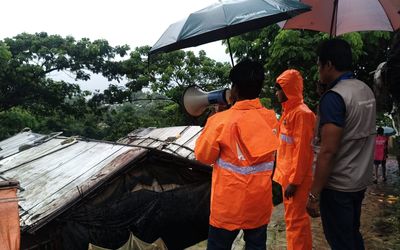
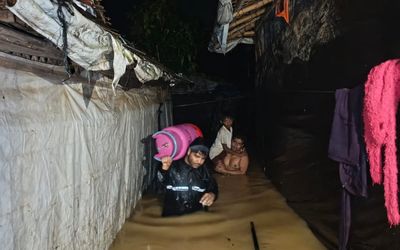
BRAC has allocated additional emergency funding to expand food assistance in Chattogram, Rangamati, Cox’s Bazar, and Bandarban, and the field teams expect substantial rehabilitation needs, from rebuilding homes and latrines to restoring roads and water access, once floodwaters fully recede.
What’s needed next
With floodwaters still receding in parts of the region, immediate needs remain, such as dry food, one-to-two week food baskets, emergency shelter and non-food items, and safe water and sanitation support. As the monsoon season continues, BRAC is preparing for a longer recovery phase to help families rebuild what the floods and landslides destroyed.
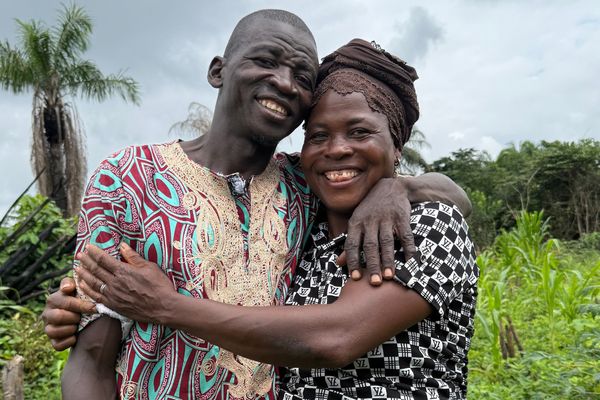
BRAC will be there as long as it takes, standing beside families as they recover from this crisis and rebuild their lives.