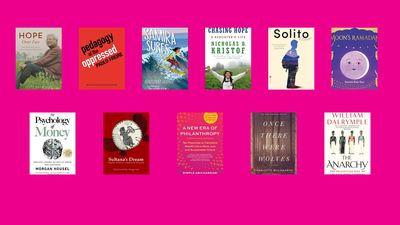
Summer is for slowing down and letting a good book change how you see things. This year, the team at BRAC USA put together a reading list that reflects the people, places, and ideas at the heart of our work—plus a few extra picks we thought were fun!
You’ll find biography and memoir, history and fiction, one of our late-founder’s favorite books, a utopian story written in 1905, and a picture book told from the moon’s point of view. There’s something here for everyone!
Hope Over Fate: Fazle Hasan Abed and the Science of Ending Global Poverty | Scott MacMillan
Recommended by Mica Bevington, Director of Communications
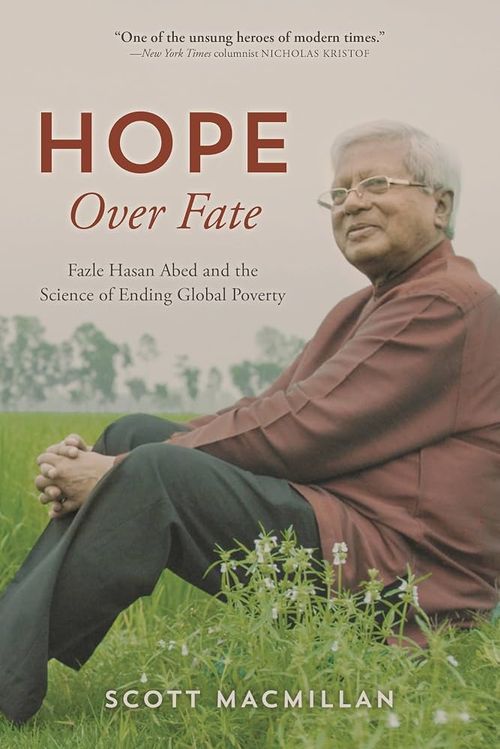
Fazle Hasan Abed founded BRAC in 1972, with no development experience or institutional backing, aiming to help a few thousand war refugees. Scott MacMillan, a former BRAC USA staff member who served as Abed’s speechwriter, spent years in conversation with him before his death in 2019. The biography covers both the professional and the personal: the failed ventures, the grief, and Abed’s fierce belief that poverty isn’t predetermined. BRAC is the only organization of its size founded and led from the Global South. By many accounts, it’s the most effective anti-poverty organization of its kind. This book explains how that happened, and leaves you with a sense of hope that we truly can unmake poverty
Pedagogy of the Oppressed | Paulo Freire
Recommended by Shajedur Rahman, Head of Leadership Communication and Employee Engagement at BRAC
An avid reader, Sir Fazle Hasan Abed's personal library was vast. Among the books is one that he regularly cited as having shaped his thinking on education and development. Freire's central argument is that conventional education, what he calls the “banking model,” in which teachers deposit knowledge into passive students, reproduces the same hierarchies it claims to overcome. True education, he argues, is a collaborative act of inquiry between equals, one that builds the capacity to question and transform the world rather than simply accept it. First published in 1968, and translated into dozens of languages, it remains one of the most widely read books on education.
Samira Surfs | Rukhsanna Guidroz, illustrated by Fahmida Azim
Recommended by Sarah Allen, Communications Manager
Middle-grade novel in verse, ages 8-14
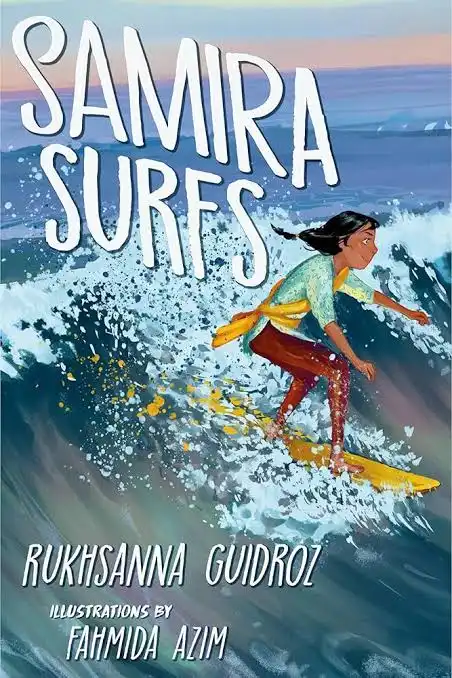
Samira Surfs follows 11-year-old Samira, a Rohingya refugee navigating life in Cox's Bazar, Bangladesh after fleeing violence in Myanmar. Written in verse and illustrated by Fahmida Azim, the book traces her journey from displacement and loss toward something unexpected: a local surf club for girls that gives her community, confidence, and a new sense of herself. This is an age-appropriate introduction to the refugee crisis, told through themes of resilience, sisterhood, and empowerment. It offers a window into the world’s largest refugee camp, a community BRAC has worked alongside in Cox's Bazar decades.
Chasing Hope: A Reporter’s Life | Nicholas Kristof
Recommended by Natalie Fellows, Director of Individual Philanthropy
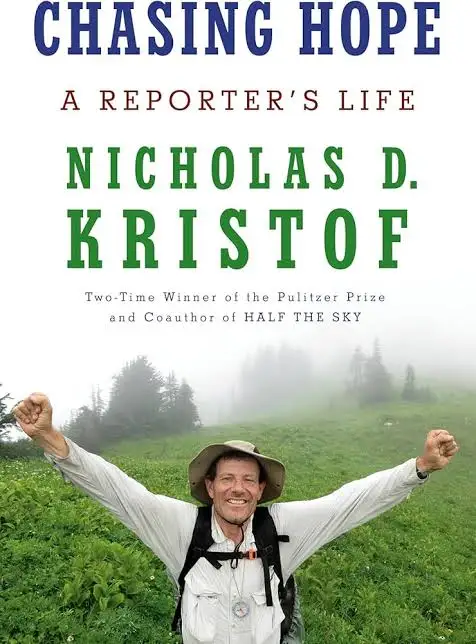
Nicholas Kristof was one of the first major American journalists to write about Sir Fazle Hasan Abed and BRAC, filing dispatches from Bangladesh at a time when few Western outlets were paying attention. Chasing Hope is the memoir behind that career. Kristof has more than three decades as a New York Times columnist, reporting from Darfur, Congo, Cambodia, Bangladesh, and dozens of other places where the coverage tends to be thin and the stakes high. He recounts the stories he covered on sex trafficking, famine, and extreme poverty, and grapples with the harder questions: what can journalism actually accomplish, when witnessing is enough, and where a reporter’s responsibility ends. This is a tale of the trials, tribulations, and hope to be found in a life dedicated to the pursuit of truth.
Solito: A Memoir | Javier Zamora
Recommended by Devon McLorg, Director of Partnerships
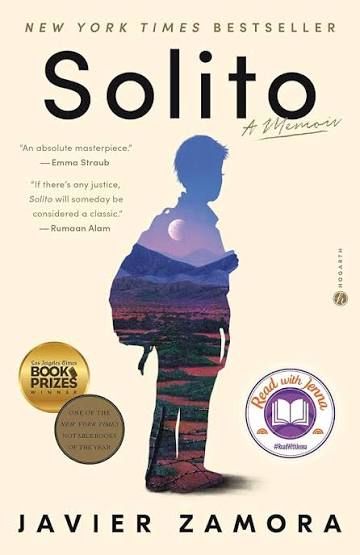
The communities BRAC works with around the world include some of the most vulnerable migrants and displaced people. This book is a close-up portrait of what that experience can look like. In 1999, Javier Zamora was nine years old when his family sent him from El Salvador to join his parents in California. He traveled nearly alone, in a group of strangers led by a coyote, a human smuggler, through Guatemala, Mexico, and the Sonoran Desert. What was supposed to take two weeks took two months. Zamora, who grew up to be a poet, wrote the memoir decades later from his childhood perspective, reconstructing the journey in granular detail: the safe houses, the desert crossings, the people who helped him and the ones who didn’t. Solito means “alone” in Spanish.
Moon’s Ramadan | Natasha Khan Kazi
Recommended by Salman Zaman, Senior Manager, Individual Philanthropy
Picture book, ages 3-8
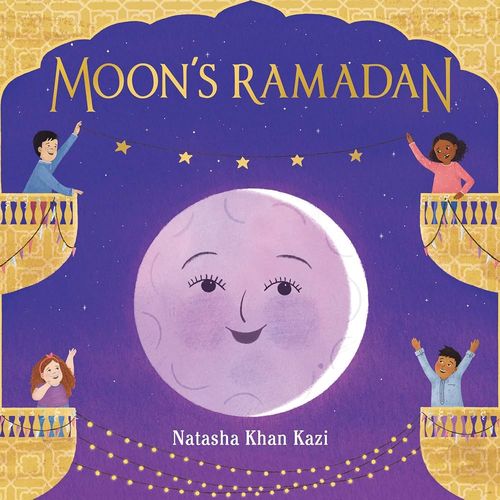
Natasha Khan Kazi was born in Dhaka, Bangladesh, and she wrote and illustrated this children's book herself. The moon travels around the world over the course of Ramadan. It watches families in Egypt, India, Argentina, the United Arab Emirates, Somalia, New Zealand, and Indonesia, in Turkey, the United Kingdom, and the United States, showing the good deeds they do in honor of those who have less. Cleverly blending glimpses of different countries' celebrations with the corresponding phases of the moon, Moon's Ramadan makes Ramadan, one of the world's most widely celebrated traditions, accessible and exciting for all readers.
The Psychology of Money | Morgan Housel
Recommended by Vladan Nikolic, Senior Manager of Grants and Compliance
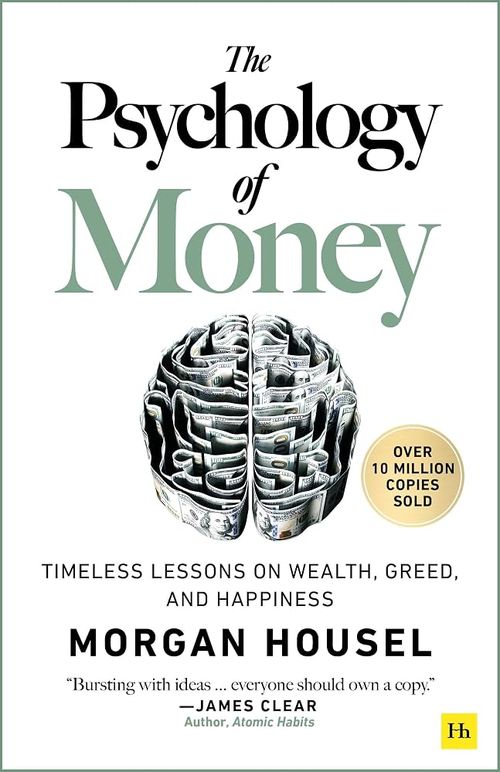
Doing well with money isn’t necessarily about what you know. It’s about how you behave. And behavior is hard to teach, even to really smart people. Investing, personal finance, and business decisions is typically taught as a math-based field, where data and formulas tell us exactly what to do. But in the real world people don’t make financial decisions on a spreadsheet. They make them at the dinner table, or in a meeting room, where personal history, your own unique view of the world, ego, pride, marketing, and odd incentives are scrambled together. In The Psychology of Money, award-winning author Morgan Housel shares 19 short stories exploring the different ways people think about money and teaches readers how to make better sense of one of life’s most important topics. One of the best-selling personal finance books of the last decade, it’s readable in a weekend.
Sultana’s Dream | Begum Rokeya (Rokeya Sakhawat Hossain)
Recommended by Eshrat Oyeshee, Associate for the Executive Office
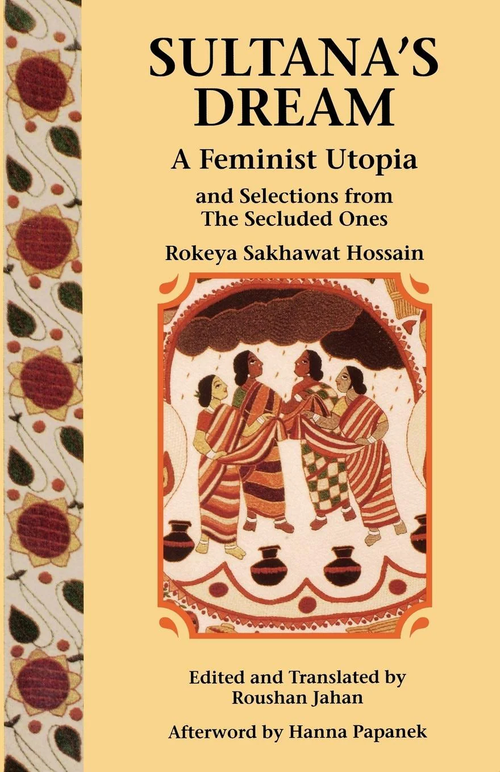
Women’s empowerment has been central to BRAC’s work since its founding. This book, written in 1905, by a Bengali Muslim feminist from what is now Bangladesh, imagined that world over a century ago. It’s a short utopian fantasy: the narrator falls asleep and wakes in “Ladyland,” a country run entirely by women, where men have been placed in the same seclusion that women in colonial Bengal were confined to under purdah, and where female scientists have harnessed solar power and ended war. Rokeya went on to found the first Muslim girls’ school in Calcutta. Bangladesh still observes Rokeya Day on December 9th each year.
A New Era of Philanthropy: Ten Practices to Transform Wealth Into a More Just and Sustainable Future | Dimple Abichandani
Recommended by Nashmeen Moslehuddin, Manager of Individual Philanthropy
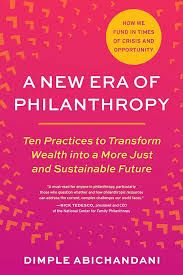
For anyone in BRAC’s orbit who thinks seriously about what it means to give well, this book asks the right questions. Abichandani spent two decades in philanthropic leadership before writing it, and her argument is that conventional philanthropy, built around the priorities and timelines of large donors and foundations, often perpetuated the very inequalities it claims to address. She challenges "gilded" practices and proposes ten new practices for donors, foundations, and non-profits. The book argues for moving beyond charity to systemic change, advocating for practices like "alchemy" (transforming systems, not just patching them), aligning investments with values, and embracing collective and trust-based giving to address urgent global challenges. It serves as a blueprint for reimagining philanthropy's purpose and practices for a more equitable future, offering practical prompts for readers to implement these shifts.
Once There Were Wolves | Charlotte McConghy
Recommended by Meghan McLaughlin, Senior Manager of Digital Marketing
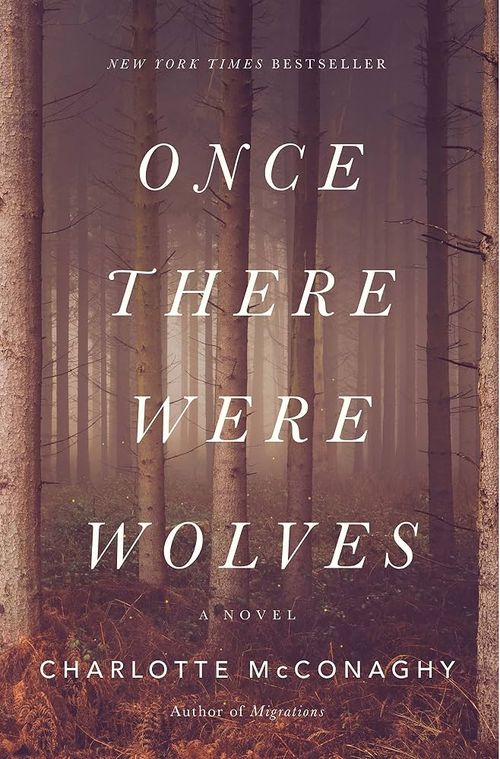
Once There Were Wolves is a 2021 novel by Charlotte McConaghy about biologist Inti Flynn, who leads a project to reintroduce gray wolves to the Scottish Highlands to heal the landscape, while also dealing with personal trauma and a hostile local community. The story follows her efforts to rewild the area, her complicated relationship with her twin sister, and a mystery that unfolds when a farmer is found dead, forcing her to protect the wolves and uncover the truth. It's a story of environmentalism, trauma, sisterhood, and the wild, blending suspense with lyrical prose.
The Anarchy: The Relentless Rise of the East India Company | William Dalrymple
Recommended by Abdulrahman Alzuebi, Business Development Manager
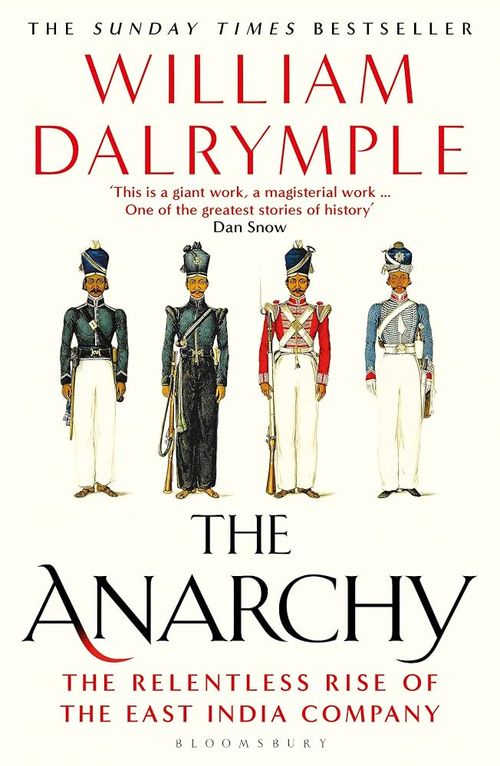
Understanding Bangladesh, and why an organization like BRAC grew out of it, means understanding the region's history under colonialism. This book covers a critical chapter of that history. By 1803, a private British trading company incorporated in London in 1599, had become the de facto ruler of most of the Indian subcontinent, with a standing army twice the size of Britain's own. Dalrymple traces how the East India Company dismantled the Mughal Empire, drawing on Persian, Marathi, and French sources alongside the British archives. It's a long book, but is well worth it, and reads more like a political thriller than a conventional history.
Kendall Kozlowski is Communiations Intern at BRAC USA.