In Bangladesh's northeastern haor region, the boro paddy harvest is the year's most critical moment. Farmers spend an entire season tending their crops, waiting for the days just before harvest when a year's worth of labor finally pays off.
But in 2026, the floodwaters came early.
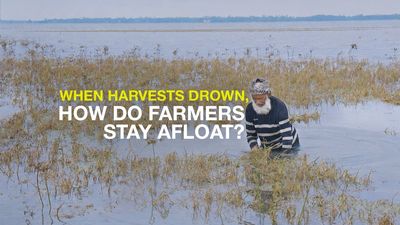
In Dirai, Sunamganj, heavy rains inundated the haors and submerged fields that were days from yielding a harvest. What remained wasn't salvageable, not even fit for livestock. Across seven haor districts, 121,000 acres of boro paddy were lost, and 236,000 farming families were left to reckon with a disaster that will take years to recover from.
"It will take five years to recover," one farmer says.
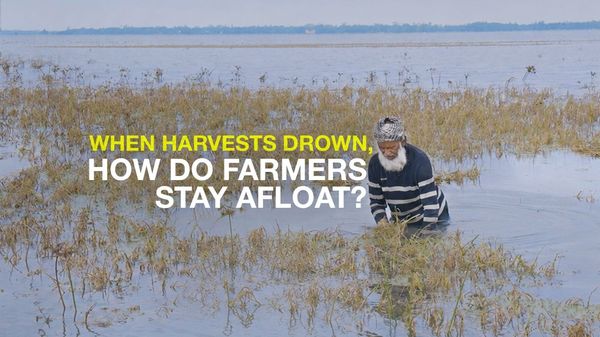
This is what climate change looks like on the ground in Bangladesh, where disasters are arriving more frequently, more severely, and at greater cost to the families who can least afford them.
But amid the loss, something else is visible.
Farmers across the haor region are gathering for BRAC microfinance meetings, learning about tools designed to help them weather the next shock before it arrives. Through BRAC's crop insurance program, 91,000 farmers now have access to a meaningful safety net: with flexible repayment schedules and coverage that can protect a small plot or an entire farm.